Roof Valley Repairs in Lyndhurst
Fixing the channel where two roof slopes meet — one of the highest water-volume points on the whole roof.
Roof Valley Repairs in Lyndhurst
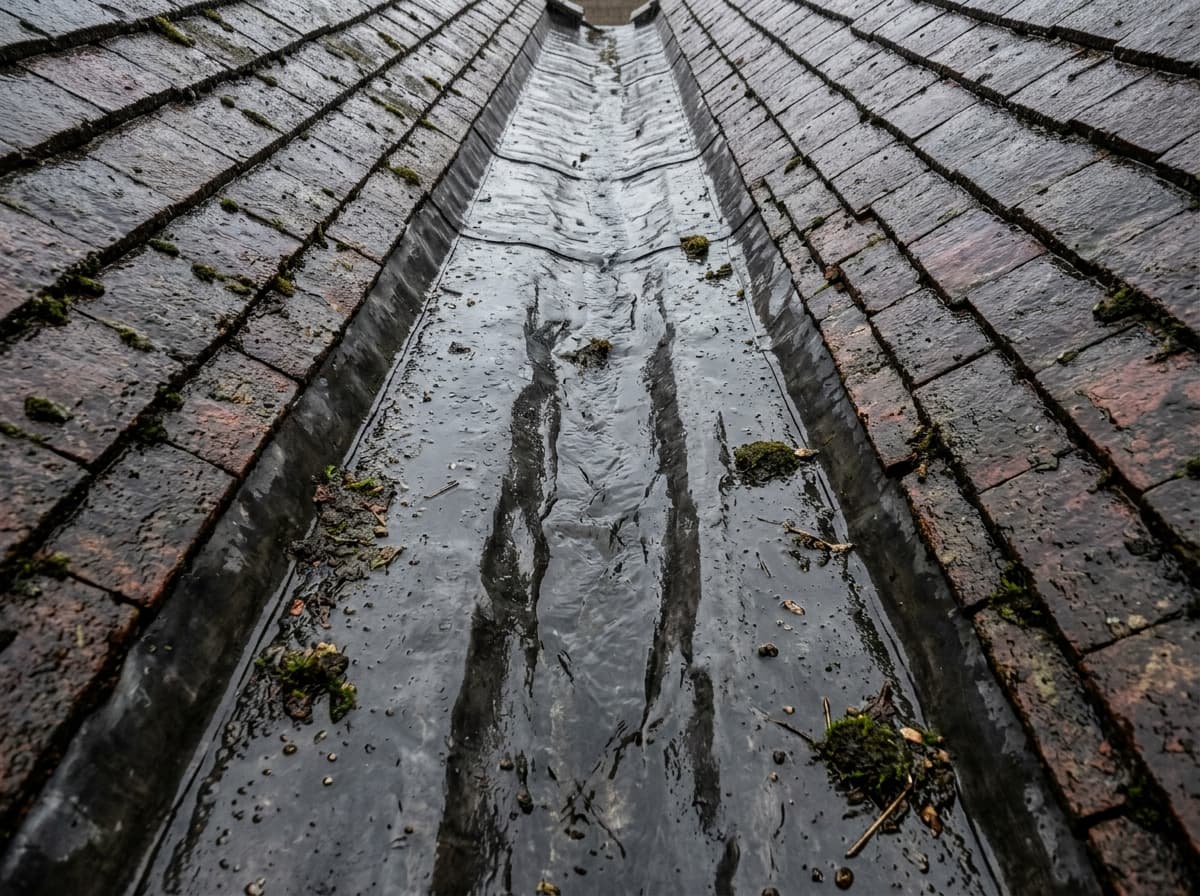
A valley on one of Lyndhurst's more complex period rooflines already carries more water in heavy rain than any other part of the covering, and the village's forest setting compounds it — fallen leaves and small branches collect in valleys more readily here than in a more open Hampshire town, damming the channel and forcing water to back up rather than run off cleanly. That combination of a naturally high-water-volume point and extra forest debris tends to turn a small fault into a visible leak faster than the same issue on an open slope. Given Lyndhurst's conservation area and National Park status, repairs generally mean keeping the existing lead-lined or valley-tile system rather than switching approaches.
Why Choose Hampshire Roof Repairs in Lyndhurst?
Hampshire Roof Repairs passes every enquiry in Lyndhurst, Hampshire to a local, independent roofer who brings the same standard of roof valley repairs to every property. Fixing the channel where two roof slopes meet — one of the highest water-volume points on the whole roof.
Key Benefits
- ✓Repairs both lead-lined and valley-tile systems
- ✓Clears debris that can be forcing water to back up and find another route in
- ✓Addresses a high-water-volume point that leaks fast when something's wrong
What Affects Roof Valley Repairs in Lyndhurst
Housing stock
A historic New Forest village with a Georgian and Victorian core. More complex older rooflines, particularly on larger period properties, tend to have more valleys altogether, each one a potential point of wear that a simpler modern roof shape wouldn't have.
Weather exposure
Inland, within the New Forest — no coastal exposure. Heavier, sustained rain in an exposed coastal or harbour location puts more volume through a valley in one downpour, so a small fault there tends to show up as a leak faster than the same fault inland.
Planning & designation
Lyndhurst sits within the New Forest National Park, with conservation-area protection over its historic centre. A valley on a conservation-area or listed roof usually needs a lead-lined repair matched to the existing detail, rather than switching to a modern valley-tile system.
Access
Rural lane access with open-forest grazing nearby, tighter streets in the village centre. Valleys tucked into a complex older roofline can be harder to reach safely on a tight historic street than an open, single-pitch estate roof.
Free Survey in Lyndhurst
Book a Free SurveyCall 01962 418719Also serving nearby: Brockenhurst, Beaulieu, Totton
Roof Valley Repairs in Lyndhurst — FAQ
Genuinely, yes — fallen leaves and small branches from the surrounding tree cover collect in valleys more than in a more open town, and that build-up can dam the channel and force water to find another way in.
It's a sensible precaution given how much debris the forest sheds onto roofs here — clearing a valley before it dams up is far simpler than dealing with the leak that can follow once it does.
A valley channels the rainwater running off two roof slopes into one narrow path, so it carries far more water at once than an open area of tiles. Any small gap, crack or blockage in that channel has a lot more water pressure behind it, so a fault there tends to become a visible leak much faster than the same size fault elsewhere.
Yes — a build-up of leaves, moss or general debris can dam the valley enough that water backs up behind it rather than running off, and once it's deep enough it can get under the edges of the lining or overlapping tiles even if the valley material itself is in decent condition.
It depends on the length of valley affected and whether it's lead-lined or a tile system. Book a free, no-obligation survey and the roofer will give you an honest figure.
Ready for Your Roof Valley Repairs in Lyndhurst?
Book your free no-obligation survey in Lyndhurst today.