Storm Damage Repairs in Lyndhurst
Full assessment and repair after wind, rain or hail has lifted tiles, damaged flashing or stripped ridge tiles.
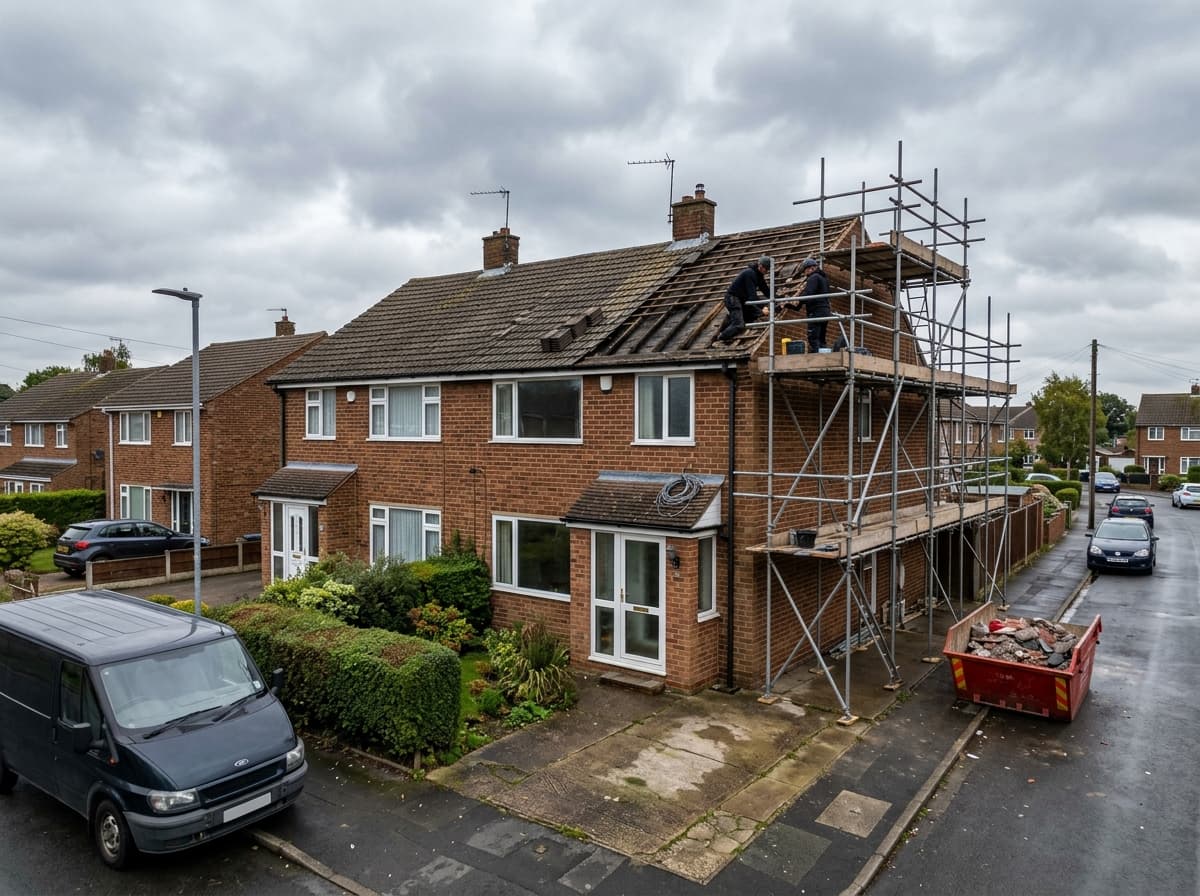
Storm Damage Repairs in Lyndhurst
A storm passing over Lyndhurst brings the usual wind stress on tiles and ridge mortar, plus a second hazard the forest setting adds — branches and debris coming down that a less wooded Hampshire town wouldn't have to contend with. A proper post-storm check needs to look for both patterns, since a tile can be cracked by direct impact as easily as lifted by wind, and neither is always obvious from the ground. Given Lyndhurst's conservation area and National Park status, repairs on the village centre's period buildings need tile or slate matched to the existing covering.
Why Choose Hampshire Roof Repairs in Lyndhurst?
Hampshire Roof Repairs passes every enquiry in Lyndhurst, Hampshire to a local, independent roofer who brings the same standard of storm damage repairs to every property. Full assessment and repair after wind, rain or hail has lifted tiles, damaged flashing or stripped ridge tiles.
Key Benefits
- ✓Assesses the whole roof, not just the tiles that are obviously missing
- ✓Documents damage properly, useful if you need to make an insurance claim
- ✓Catches partially-lifted tiles and flashing before they cause the next leak
What Affects Storm Damage Repairs in Lyndhurst
Housing stock
A historic New Forest village with a Georgian and Victorian core. On an older roof, storm-lifted tiles often reveal fixings that were already close to failing, so a proper post-storm check tends to find more than the obviously missing tiles on a period property.
Weather exposure
Inland, within the New Forest — no coastal exposure. A town facing open water or a harbour takes storm wind loading that a sheltered inland town simply doesn't, so a full-roof check after wind is a genuinely bigger job on an exposed coastal property.
Planning & designation
Lyndhurst sits within the New Forest National Park, with conservation-area protection over its historic centre. Storm damage on a conservation-area or National Park roof still needs matching materials for the repair, and photographing the damage properly matters just as much before any historic-fabric work begins.
Access
Rural lane access with open-forest grazing nearby, tighter streets in the village centre. Where access is straightforward driveway parking, a full-roof storm check can usually happen quickly; where streets are tight or lanes are rural, it takes more planning to get equipment there safely.
Free Survey in Lyndhurst
Book a Free SurveyCall 01962 418719Also serving nearby: Brockenhurst, Beaulieu, Totton
Storm Damage Repairs in Lyndhurst — FAQ
Often both, and it's worth checking for each separately — wind lifts and cracks tiles the way it does anywhere, while the forest canopy adds a genuine extra source of impact damage.
Given the conservation area and National Park designation, yes — repairs there need tile or slate matched to the existing period covering.
Wind rarely damages a roof in one isolated spot. Tiles and slates near the ones that fell are often loosened without fully coming free, and flashing or ridge mortar nearby can be weakened too — all of it invisible from the ground. Checking properly now is what stops a second leak turning up a few weeks later.
That's a decision for you and your insurer, but most policies do cover storm damage. Photograph everything you safely can before any repair work starts, and keep those photos alongside whatever assessment the roofer provides — insurers generally want evidence of both the damage and the cause.
It depends entirely on how much of the roof has been affected, which won't be known until it's been properly inspected. Book a free, no-obligation survey and the roofer will give you an honest figure.
Ready for Your Storm Damage Repairs in Lyndhurst?
Book your free no-obligation survey in Lyndhurst today.